Agenda
09.00 am
Registration
Refreshments, Networking, Poster Viewing and Meeting Conference Sponsors
10.00 am
Chair’s Welcome
Simone Walsh, Chair and Programme Manager
Session One 10.10am
The Road to Leadership
Chaired by Professor Peter Doran, Director of the UCD Clinical Research Centre,
Professor of Clinical Trials at UCD School of Medicine
10.15 am
Key Note Address
Ms Jennifer Allison, Matron at NIHR Southampton Clinical Research Facility and Associate Director of Nursing and Midwifery at the National Institute for Health Research, UK
10.35 am
Professor Josephine Hegarty, Head of School of Nursing & Midwifery, Professor of Nursing, University College Cork
10.55 am
Dr John O’Neill, Head of Research Policy and Innovation, Department of Health
11.15 am
Ms Simone Walsh, Chair and Programme Manager, Irish Research Nurses and Midwives Network
11.35 am
Questions and Answers
11.50 am
COFFEE BREAK
Poster Viewing, Networking and Meeting Conference Sponsors
Session Two 12.15 pm
Uncovering the Hidden Needs of Oncology Patients While Recruited to a Clinical Trial PPI
Panel Discussion Facilitated by: Emer Mulvaney, PPI Programme Manager, Cancer Trials Ireland
12.20 pm
Professor Jarushka Naidoo, Consultant Medical Oncologist
Ms Audrey Doyle, CNM2 Oncology Clinical Trials
Ms Siobhan Gaynor, Patient Representative
12.50 pm
Questions and Answers
1.00 pm
Mentorship for Research Nurses and Midwives
Ms Lorraine O’Connell, CNM 3, Cancer Clinical Trials Unity, UHL
1.10 pm
Lunch Break
Networking, Poster Viewing and Meeting Conference Sponsors
Session Three 1.45pm
Developing Tomorrow’s Leaders in Research Nursing and Midwifery
1.45 pm
Clinical Research Placement Toolkit for Undergraduate Student Nurses and Midwives
Elaine Conway,CNM2, Health Research Institute, UHL
1.55 pm
Eamon Boland, Head of Novartis Corporate Centre Dublin
Session Four 2.15pm
Fostering Excellence
Chaired by Amy Nolan, Director of Clinical Affairs, Irish Cancer Society
2.15 pm
Oral Abstract Presentations:
The key to self-management of respiratory diseases—digital health technology!
Tara Byrne, Niall Murray, Mary McDonnell Naughton, Neil Rowan
Background
Self-management of chronic respiratory diseases is widely discussed in the literature and indeed is strongly advocated for within guidelines (1). There is evidence to suggest that DHT increases patients’s awareness of their condition, reduces hospital admissions, and improves communication with healthcare professionals (2); therefore, it provides a concrete foundation towards successful self-management; however, little is known about the patients perspectives.
Objective To explore perceptions, beliefs, barriers, and cues-to-action that underpin the motivation to self-manage a chronic respiratory disease among a cohort of Irish patients suggesting the use of digital-health-technology (DHT)
Methods An exploratory sequential mixed-methods design was undertaken.
Result
58 individuals participated in this study. 63.7% (n = 37) voiced interest in using DHT. 50% (n = 29) reported that DHT would empower them to take control of their disease; 52% (n = 30) believed that DHT would help them stay out of the hospital. 45% (n=21) had concerns about the size of the technology; 55% (n=24) felt the appearance was important, and 88% (n=45) felt that health data feedback was a priority. 41% (n=17) had no concerns regarding the sharing of health data, and 40% (n=19) were not concerned about the security of the technology.
Conclusions
Self-management of respiratory diseases is associated with a lower probability of respiratory-related hospital admission and an improved reported quality of life (3); however, often patients lack the confidence and support to trust the perceived value. Digital health technology has the potential to change how self-management is perceived; therefore, it could be an underutilized tool to negate hospital admissions, improve the experience of symptoms, and ultimately improve overall quality of life.
Shift Left, Digital Innovation: Transforming Galway COPD Care and saving Inpatient Beds
Emma Burke, Karolina Glomba, Eimear NiDhonnacha, Clare Connolly, Dr Sinead Walsh
Background
Ireland faces the OECD’s highest COPD hospitalisation rates (51.5/100k) and long average stays (11.8 days), with 40% of cases undiagnosed. The Galway COPD Virtual Ward pilot addressed this using the MyPatientSpace app for home-based remote monitoring, aligning with Sláintecare’s “right care, right place, right time” vision. Its objectives were proactive exacerbation management, reduced ED visits/admissions, and optimised bed flow.
Methods
This 12-month cohort study enrolled COPD patients. The intervention involved remote monitoring via the app, enabling proactive care and multidisciplinary coordination. Data collected included admissions, hospital avoidance, length of stay (LOS), bed days saved, and patient-reported outcomes (PROs). Analysis used pre/post-intervention comparisons (paired t-tests, descriptive statistics, resource metrics), with ethical approval and informed consent.
Results
Managing 100 care episodes, the Virtual Ward achieved a 51.5% reduction in average LOS (5.72 days vs. national 11.8 days), saving 686 hospital bed days and approximately €475,000. Clinically, it yielded statistically significant improvements in both BORG dyspnoea (p=1.028E-09) and CAT symptom scores (p=2.348E-08). The model enhanced care access, enabled early exacerbation detection, reduced admissions, demonstrated high patient satisfaction, and shifted care effectively to home settings.
Conclusions
The pilot significantly reduces hospitalisations and bed days while improving clinical outcomes and satisfaction, enabling a shift to proactive home care. Despite limitations (small cohort, short follow-up), results validate remote monitoring to alleviate systemic strain. Future scaling requires addressing digital literacy and evaluating long-term cost-effectiveness across diverse populations for national implementation.
Comfort First: Reducing Procedural Pain and Improving Participant Experiences In Paediatric Clinical Trial
Sharon Rafferty; J Campos; A McDermott
Paediatric research and clinical trials are essential for advancing safe and effective treatments for children (Staphorst et al 2015). However, participation in such studies often requires additional hospital visits, increased exposure to procedures like frequent and large-volume blood draws, ECGs, and other assessments beyond standard care. These added interventions can heighten feelings of fear, pain, and anxiety among young participants. In response to the growing number of children experiencing procedural pain, the clinical research department at Children’s Health Ireland undertook efforts to assess and manage this distress more effectively.
The well-established use of topical anaesthetics was continued. Nursing staff ensured that participants were given extra time for visits and continuity of staff was maintained. Distraction techniques like deep breathing and the use of their mobile phone were implemented. The Play Specialist and Psychology team recommended the use of therapeutic toys, picture cards to provide a step-by-step approach and offering the participants choice regarding their visit schedule. A parental suggestion led to the creation of a picture book featuring staff members enhanced familiarity for the participants. Pre-visit video calls helped participants feel at ease before their hospital visit.
Families appreciated that the visits were not rushed and valued the continuity of care. This was made possible by the research environment, which operates outside the constraints of an acute hospital setting. Distraction techniques and pharmacological interventions were effective and could be implemented immediately, as there was usually a waiting period before the Play Specialist and Psychology team were available to see the participant. The picture cards were particularly successful and could be used across all study visits. Additionally, pre-visit phone calls and booklets provided extra support and options when needed.
The research department is uniquely positioned to offer longer visit times and ensure continuity of care for participants, which can positively impact their experience and help reduce procedural anxiety and pain. Simple interventions like distraction techniques can have a significant effect on a participant’s visit and are easily implemented. Support from other hospital resources proved invaluable. This approach created a more positive supportive and individualised experience for the participants in the research environment.
Staphorst, M.S., Hunfeld, J.A.M., van de Vathorst, S., Passchier, J., & van Goudoever, J.B. (2015) ‘Children’s self-reported discomforts as participants in clinical research’, Social Science & Medicine, 142, pp. 154-162.
Understanding what matters to patients in antimicrobial stewardship in hospitals. PERSPEcT study update
Benson Jacob, Anumol Kurian, Aisling Walsh, Eoghan de Barra. Oral Abstract.
Background
Patient involvement in healthcare research and decision-making can improve services and outcomes. This study explored patient perspectives on antimicrobial stewardship (AMS) within hospital settings, with the aim of assessing knowledge and perceptions of antimicrobial resistance (AMR) and identifying barriers and facilitators to patient engagement in AMS programmes.
Methods
A questionnaire survey was administered to 360 hospitalised patients across six groups (Cystic Fibrosis, Haematology/Oncology, Bone and Joint Infection, Renal, Outpatient Parenteral Antibiotic Therapy [OPAT], and General Infectious Diseases). Sixty patients per group were recruited using purposive sampling. Quantitative data were analysed descriptively. In-depth insights were obtained through 36 semi-structured interviews, analysed thematically using NVivo.
Results
Of participants, 56% were male, 43% female, and 1% declined to respond. Most were aged 20–55 years (84%). While 93% had not heard the term antimicrobial stewardship, participants demonstrated awareness of AMR. Fifty-six percent reported receiving advice from a doctor when prescribed antibiotics. Doctors were the preferred source of antibiotic-related information (67%), followed by nurses (21%) and pharmacists (12%). A majority (87%) indicated they would complete the full antibiotic course, rising to 94% among the Cystic Fibrosis group. Overall, 68% expressed comfort in asking doctors about infection type and antibiotic risks, with higher proportions among Cystic Fibrosis (83%) and OPAT (82%) patients.
Conclusion
Patients showed awareness of AMR and a willingness to engage in discussions on infection management, despite limited familiarity with AMS terminology. Strengthening patient engagement presents an opportunity to enhance stewardship efforts. Further qualitative research will explore potential patient roles in AMS.
3.15 pm
Questions and Answers
Session Five 3.35 pm
Snapshot of National Research Activity
Chaired by Dr Fiona Manning, Programme Manager, Head of Research and Innovation Infrastructures, Health Research Board.
3.35 pm
Medical Devices: Kristine Laurilla, Clinical Research Nurse, Cardiovascular Research Institute, Mater Private Network
Psychedelic Drugs: Annie Baker, Psychedelics Research Nurse, Trinity College and Tallaght University Hospital Psychedelic Research Group
Paediatrics: Christine Lambert, Allergy Research Clinical Nurse Manager I at Children’s Health Ireland’s Clinical Research Centre
Surgical Trials: Dr Anne-Marie Byrne, Operations Director of the RCSI National Surgical Research Support Centre (NSRSC), RCSI University of Medicine and HealtH Sciences
Session Six 4.20 pm
Oral and Poster Prize Giving
4.20 pm
Mr Eamon Boland, Head Novartis Corporate Centre, Dublin (Prize Sponsor)
Dr Bridget Murray, Lecturer, RCSI School of Nursing and Midwifery (Judge)
Ms Helen Strapp, Nurse Tutor, RCSI School of Nursing and Midwifery (Judge)
4.30 pm
Close: Simone Walsh, IRNM Chair
Speakers and Sessions Chairs:

Professor Peter Doran
Professor Peter Doran is a leading figure in clinical trials research in Ireland and internationally. He currently serves as Professor of Clinical Trials and Director of the UCD Clinical Research Centre (CRC), where he oversees the country’s largest academic clinical trials programme, supporting over 70 investigators and approximately 40 investigator-led trials. He is also Director of Research at St Vincent’s Healthcare Group
Prof. Doran earned his PhD from University College Dublin in 2001, having originally trained in analytical science. He also directs the UCD-Abbott Biomarker Programme and has held senior leadership roles including Associate Dean for Research and Vice-Principal for Research, Innovation & Impact in UCD’s College of Health & Agricultural Science.
His research focuses on innovative trial designs, the use of biomarkers and wearables, and predictive analytics to improve trial efficiency and outcomes. He is a key contributor to national and international platform trials and plays a strategic role in shaping Ireland’s trial infrastructure. He is also a Board Member of the Health Research Board, Ireland’s leading national health research funding agency)
Prof. Doran is deeply involved in training the next generation of researchers, having developed UCD’s graduate programme in Clinical and Translational Research. He leads a PhD in clinical trials at UCD.

Jennifer Allison
Jennifer is an Associate Director of Nursing and Midwifery at the National Institute for Health and Care Research (NIHR), inspiring others to support, deliver and lead research to improve health and care outcomes.
She remains a Lead Matron for R&D at the University Hospitals NHS Foundation Trust. Based initially in the NIHR Southampton Clinical Research Facility, she was a founding member of the Senior Management Team of the UK Clinical Research Facility Network. As Lead for Workforce Development, she and colleagues supported all staff in over 60 CRFs across the UK and Ireland.
She was an early member and past president of the International Association of Clinical Research Nurses. She continues to articulate the unique contribution that clinical research nurses and their teams make to global healthcare, while developing innovations and equitable opportunities for a diverse research workforce to reach underserved communities.

Professor Josephine Hegarty
Professor Hegarty trained as a general nurse in Cork University Hospital, Ireland and attained her BSc, MSc in nurse education and PhD at University College Cork (UCC). In her academic career, Josephine has been Head of School, acted as Dean of Graduate Studies and is a member of Governing Authority at University College Cork, Ireland. Josephine has been a member of several national committees including the national oversight group known as Expert Review Body (ERB) Implementation Oversight Team. Professor Hegarty together with Dr Anne Gallen co-chairs the Department of Health (2022) Report of the Expert Review Body (ERB) on Nursing and Midwifery ERB Recommendations 24 & 25 Implementation Project Group. Josephine is the Director of the Jennings Gallery at UCC.
Josephine has attained funding and managed grants from several national and international agencies and published over 120 peer reviewed publications and 14 commissioned reports. Professor Hegarty is lead applicant on the “Implementation Network Europe for Cancer Survivorship Care (INE-CSC)” COST Action and she leads a codesign work package within an EU Horizon project TRANSCEND-XR. Her research interests pertain to oncology, evidence-based practice, patient safety and contemporary nursing issues (e.g. scope of practice, continuing competence). She supervises PhD and MSc students for their research dissertations. Josephine leads the Enhancing Cancer Awareness and Survivorship (ECASP) group which seeks to support individuals and their families on the cancer survivorship trajectory. Professor Hegarty has expertise in mixed methods research, conducting surveys, clinical trials and managing grants. ORCID ID: http://orcid.org/0000-0002-1663-4820

Dr John O’Neill
John is Head of the Research Policy and Innovation Unit in the Department of Health which was established in 2024 to ensure that the crucial contribution of research and innovation to wider health system improvement is more fully exploited. Specific responsibilities include, supporting a research led approach in the HSE and providing strategic direction and corporate governance for the Health Research Board (HRB). At a wider level John’s team are connecting health research and innovation across government for more impactful outcomes and supporting Ireland’s wider international engagement on key priority areas across health and social care research including the ongoing preparation for Ireland’s EU Presidency in the 2nd half of 2026. Advancing the Clinical Trials landscape in Ireland and implementing the National Strategy on Genetics and Genomics are among the key current areas of focus for the team.

Simone Walsh
Simone Walsh is Chair and Programme Manager of the Irish Research Nurses and Midwives Network (IRNM). A dedicated leader in advocating for stable employment, career progression and education for research nurses and midwives on the Island of Ireland.
Along with 18 years’ experience in research project management and, study feasibility and activation, Simone is a certified PMP, RGN and holds an MSc in Public Health. Simone was appointed by the Irish Minister for Health to the National Clinical Trials Oversight Group and the National Research Ethics Committee for Medical Devices. She is a member of the Department of Health ERB Recommendation 24 and 25 Implementation Group
Simone worked on the National Drug Related Deaths Index at the Health Research Board, gaining extensive experience in managing national epidemiological surveillance systems. Before taking up her role at the IRNM, Simone was the Senior Research Projects Manager at the Skin Wounds, and Trauma Research Centre, RCSI University of Medicine and Health Sciences. Here she specialised in research governance and medical technology regulatory affairs.

Emer Mulvaney
Emer is the PPI Programme Manager at Cancer Trials Ireland. She has a background in Radiation Oncology and Clinical Research.
Since joining Cancer Trials Ireland in 2021, Emer has contributed to clinical operations, leveraging her clinical experience to enhance trial management and patient care.
In 2024, Emer transitioned to the role of PPI Programme Manager, where she now leads initiatives to integrate patient perspectives into cancer research.

Professor Jarushka Naidoo
Professor Naidoo is a consultant medical oncologist at Beaumont Hospital Dublin and a Professor in RCSI. Prior to joining RCSI in late 2020, Prof Naidoo was an Assistant Professor of Medical Oncology and Lung Cancer Specialist in Sidney Kimmel Comprehensive Cancer Centre at Johns Hopkins University, and is now an Adjunct Assistant Professor of Oncology at Johns Hopkins University She currently serves as national lung cancer lead for Cancer Trials Ireland.
Prof Naidoo is an internationally-recognized leader in the fields of immunotherapy for lung cancer, melanoma, and immune-related toxicity. She serves on several international guideline panels including ASCO (America Society of Clinical Oncology) and SITC (Society of Immunotherapy for Cancer), and is an experienced clinical trialist- having developed and completed several investigator-initiated, industry-funded and cooperative group clinical trials. She has received a number of grants including a young investigator award from the International Association for the Study of Lung Cancer (IASLC), Lung Cancer Foundation of America (LCFA), and a career development award from the National Institutes of Health (NIH) KL2-program. She has a strong commitment to education and training in Oncology, and has mentored several early career physicians, fellows and medical students, resulting in high-level publications and young investigator award winners.
Professor Naidoo obtained her medical degree from Trinity College Dublin, completed her internal medicine and medical oncology training in Ireland, followed by an advanced medical oncology Fellowship at Memorial Sloan Kettering Cancer Centre, New York, before joining the faculty at Johns Hopkins, and then returning to Ireland

Siobhan Gaynor
I was diagnosed with primary breast cancer in May 2019 and then in October 2020, I was diagnosed with metastatic (secondary/advanced/Stage IV) breast cancer (MBC). I had started to experience back pain and fatigue. When I was diagnosed with primary breast cancer, and having worked in the field, my knowledge really helped to accept and understand it quite quickly. However, metastatic cancer was completely different, and it forced changes to my life. I had to medically retire after 31 years of working in medicine research and development, due to symptoms of the disease. Most Stage IV cancers are incurable, although thanks to science and research, we are now living longer and the challenge has moved to focus on quality of life aspects.
This Metastatic Breast Cancer survey was launched via Cancer Trials Ireland in July 2023. The results of the survey have been published via 2 ESMO and 2 ASCO posters and a full journal publication in “The Breast Journal”. The MBC survey project was also recently awarded the Irish Cancer Society PPI project of 2025, and I was awarded the Future Health Summit Lifetime Achievement Award in Healthcare in 2025.
We have now set up an Advanced Cancer Patients’ Council to campaign for changes in Irish advanced cancer care. We are asking for a much-needed focus on advanced cancer in the next Irish Cancer Strategy, a commitment to collecting cancer recurrence data and a programme to develop National clinical guidelines for all metastatic cancers. We, as Irish Advanced cancer patients, are currently invisible with limited data to guide our care. Through the results of the patient-led survey, we have for the first time outlined priorities for our care and are simply asking for those to be implemented in the healthcare system across the island of Ireland.

Audrey Doyle
Audrey Doyle, Clinical Nurse Manger II from the Cancer Clinical Trials Unit in Beaumont Hospital Dublin. With over 9 years’ experience in Coordinating Clinical Trials she leads the Cancer Clinical Research Nursing team in Beaumont Hospital. She also has a background in Critical Care for which she holds a graduate diploma in Intensive Care Nursing. Passionate about promoting education among nursing staff and the wider MDT around raising awareness of the vital role Clinical Research nurses play in patient care and the patient’s journey whilst on a clinical trial. Working closely with patients and their families to ensure holistic support throughout their participation in clinical trials.
Lorraine O’Connell
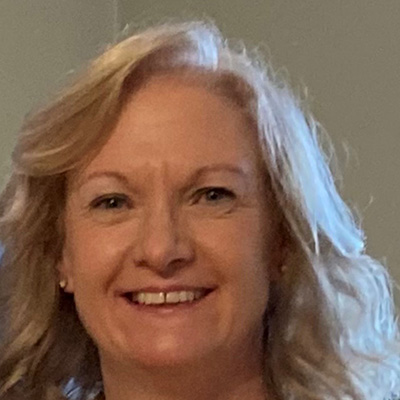
Lorraine is 31 years in nursing, having studied for her Diploma in Nursing Studies with Queens University in Belfast. In 2000 she found her niche after joining Cancer Services in University Hospital Limerick and while working as a staff nurse completed her Higher Diploma in Oncology Nursing. She dedicated 14 years to the Haematology Oncology Day unit as Clinical Nurse Manager 1 while also spending some time as a Clinical Nurse Specialist in Haematology. Her interest in clinical trials developed over the years and she joined the Cancer Clinical Trials Unit in 2014 as Clinical Nurse Manager 2. She co-ordinated many patients onto interventional, non- interventional, immunotherapy, translational and biobanking studies. She had the privilege of giving patients the opportunity to participate in Lung, Breast, Ovarian, Prostate, CLL and Multiple Myeloma trials. She has mentored and trained many nurses in cancer clinical trials and the principles of ICH-GCP. In 2023 she took up the role of Clinical Nurse Manager 3 of the Cancer Clinical Trials Unit. Her passion lies in supporting research nurses and enabling them to reach the competency levels required to work confidently in their role.

Elaine Conway
Elaine Conway, MSc, RGN, is a Clinical Nurse Manager 2 in the Clinical Research Support Unit (CRSU) in Limerick, where she has worked in clinical research since 2013. She has extensive experience in industry-sponsored clinical trials involving investigational medicinal products (IMPs), medical devices, and academic research studies. Elaine provides expert quality and regulatory guidance to researchers and plays a key role in delivering ICH GCP training locally. She completed her RGN training at Waterford Regional Hospital, a Peri-Operative Nursing Course at St. Vincent’s Hospital, Dublin, and earned her master’s in nursing from the University of Limerick in 2016. Elaine is a dedicated preceptor to undergraduate nursing students on placement in the CRSU and actively contributes to the Irish Research Nurses and Midwives Network (IRNM) as Treasurer and Lead of the Undergraduate Clinical Placement Working Group. Her commitment to research excellence and education continues to shape the future of clinical nursing practice in Ireland.

Eamon Boland
Eamon Boland is the Head of the Novartis Corporate Center in Dublin, where he leads strategic direction and operational excellence across a diverse, multi-functional team. Eamon also serves as a Company Director for Novartis Ireland Limited, playing a key role in driving innovation, collaboration, and performance across the organization.
Eamon joined Novartis in 2014 from a background in Clinical Research at hospital site level in the US and Ireland. Eamon brings with him a wealth of experience accrued over 11 years in the pharmaceutical sector, holding key roles in Clinical Development, Patient Services and Global Clinical Operations. His most recent role as Head of Study Grants involved leading a team of Study Grants Experts responsible for budget creation, stakeholder engagement, and overseeing fair market value for clinical trial site engagement.
Eamon holds a BSc in Nursing Studies from Trinity College Dublin, an MSc in Clinical Research from University of Galway, and an MBA from Trinity College Dublin.

Amy Nolan
Amy Nolan is ‘Director of Clinical Affairs’ at The Irish Cancer Society – leading their relationships with Clinicians and Healthcare Professionals and Institutional Partnerships with Hospitals & Universities. She also a member of their Executive Leadership Team, guides their clinical services, is clinical spokesperson, and leads their Education Engagement, Children, Adolescent & Young Adults(CAYA) & Night Nursing teams and programs.
She previously held the role of ‘Head of Children, Adolescents & Young Adults’ and interim ‘Night Nursing Manager’ within the Irish Cancer Society – driving the development of bespoke services, campaigns and supports for patients and families affected by a CAYA cancer diagnosis, whilst in-tandem managing the nightly delivery of palliative care to end of life patients in their own homes. She regularly engages with the Health Service Executive, National Cancer Control Programme, third-level higher education institutions, and international cancer bodies in the UK, Australia & Canada.
In 2022 she was admitted as a ‘Fellow of the Royal College of Surgeons of Ireland’ (FFN MRCSI) in-recognition of her career in Oncology Nursing and her commitment towards innovation, standards, education and improving patient outcomes and is now a Board member of the RCSI Faculty of Nursing & Midwifery. She holds a first-class Masters in ‘Clinical leadership in Healthcare’.
Amy was previously Lead Cancer Nurse at St. James’s Hospital Dublin (SJH) and is proud of her track-record in the establishment of innovative supports, campaigns and national education programmes to benefit both patients and staff.
Dr Fiona Manning
Fiona is Programme Manager for the HRB Clinical Trials and Infrastructures portfolio. She is responsible for managing the portfolio of HRB’s clinical research investments, which includes infrastructures (Clinical Research Facilities, Cancer Trials Groups and Network, Clinical Trials Networks, TMRN, IRNM) and trial activities funding programmes (DIFA/ILCT).
Prior to her role at HRB, Fiona was Senior Research Officer at the Office for Research and Innovation at RCSI, where she managed support for researchers for national research funding programmes, including HRB and SFI, and played a leading role in developing the university’s activities in PPI in research.
Fiona has held a number of research Programme Manager positions in clinical and academic settings and previously held roles in Business Development and D in industry.
She holds a PhD and recently completed an MSc in Healthcare Management from RCSI.

Kristine Laurilla
Kristine graduated with a BSc in Nursing in 2008 and began her career gaining broad clinical experience across Medical-Surgical, Emergency, and Cardiac Cathlab settings. She has worked in diverse healthcare systems in the Philippines and Dubai before relocating to Ireland in 2017, where she continued her work as a Cathlab Nurse. In 2023, she joined the Cardiovascular Research Institute at the Mater Private Network Dublin as a Clinical Research Nurse specialising in Electrophysiology. Kristine completed her MSc in Applied Clinical Data analytics at the University of Galway in July 2025, further strengthening her expertise in evidence-based cardiac research. She is currently engaged in several ongoing EP studies in collaboration with leading pharmaceutical sponsors, contributing to the advancement of cardiac care and research innovation.

Annie Baker
Annie Baker, RGN, psychedelics Research Nurse, member of IDPAT and Trinity College and Tallaght University Hospital Psychedelic Research Group. Annie trained in the UK and worked in Critical Care and Healthcare management. Prior projects included implementing the European Working Time Directive at her Trust. She worked in Rheumatology research in the UK and Ireland before moving to Psychedelics seven years ago. These trials include PTSD, Eating Disorders, Treatment Resistant Depression and Substance abuse disorders.

Christine Lambert
Christine Lambert is an Allergy Research Clinical Nurse Manager 1 at Children’s Health Ireland’s Clinical Research Centre (CRC). With her transition from General Nursing to Children’s Nursing to Clinical Research Nursing, Christine brings a wealth of clinical experience and a deep understanding of the nursing needs of children and families to her role as a Clinical Research Nurse.
Christine is one of three research nurses working within Allergy and Immunology Research who are involved in a range of patient-focused clinical trials for children with Peanut Allergies. These ongoing and upcoming Clinical Trials focus primarily on the efficacy and safety of Epicutaneous Immunotherapy.
Having completed her Higher Diploma in Children’s nursing in 2023, and commencing her role as a Clinical Research Nurse in 2024, Christine identified a need for the introduction and integration of the role of the Clinical Research Nurse to the third level nursing education curriculum. From there she initiated and developed a specific lecture series to introduce clinical research nursing to Higher Diploma and Undergraduate Children’s Nursing students in the three Dublin universities providing nurse education. This will be included as part of their teaching curriculum, commencing in 2025.

Dr Anne-Marie Byrne
Dr Anne-Marie Byrne obtained her PhD in Cancer and Cell Biology from the Royal College of Surgeons and spent over a decade focused on clinical research into gastrointestinal diseases in Trinity College Dublin. As a project manager in the biggest Cancer Trial Network in Ireland- Cancer Trials Ireland, she gained valuable expertise in the clinical trial processes, regulatory requirements and infrastructure in Ireland managing a portfolio of interventional and non-interventional Investigator-led trials. She is currently the Operations Director of the RCSI National Surgical Research Support Centre (NSRSC) which she established in 2021 together with the Clinical Lead Professor Stewart Walsh. The centre acts as a surgical trial coordination hub to train and support surgeons conducting surgical trials. The focus of the centre is to improve surgical innovation and is currently supporting multi-site national and international Investigator-Led trials in sites across Ireland to give patients access to cutting edge research to improve healthcare outcomes.
Poster Presentations
The impact of the Continence Promotion Clinical Nurse Specialist (CNS) in improving incontinence in patients in a post-acute rehabilitation setting
Anu Mathew
Introduction
The nurses who specialise in continence care are recognised as key members in the delivery of continence services in rehabilitation services. The objective of this study was to evaluate the impact of continence promotion CNS for the treatment of urinary incontinence in patients living in post-acute rehabilitation settings. This project was led by continence CNS using conservative management, lifestyle changes and education. This resulted in a significant decrease in incontinence, cost savings and a decrease in home care package hours to the system.
Materials and Methods
Following the appointment of the CNS, a pathway of referral and policies were developed. All patients are screened for continence on admission using a continence screening form. If the patient has any incontinence issues, an electronic referral is sent to the CNS. The CNS reviews all patients using Baseline (Level 1) assessment and management of bladder and bowel function forms adopted from HSE (2019). The CNS will implement a bladder diary with the patient. Non-pharmacological measures are supported, including education regarding fluid intake, a high-fibre-rich diet, regular toilet training, double voiding, pelvic floor muscle exercises and staff training. All the patient’s admission and discharge continence anonymised data are collected and recorded on a data analytics dashboard, and with patient feedback to assist in the evaluation of the continence promotion CNS role.
Results
Admission and discharge Continence data collected from January to December 2024 shows, 51% of all patients who were admitted suffered from incontinence issues. 429 with urinary incontinence, 78 with double incontinence and 16 with faecal incontinence. The CNS reviewed all the patients and provided individualised treatment as per the patients’ needs. Out of 429 patients with urinary incontinence, 48% resolved the urinary incontinence, and 60% resolved double incontinence issues before discharge. Since the introduction of the CNS, the knowledge of staff and overall culture around the management of incontinence issues is now very proactive. Total cost saving on incontinence wear in 2024 was € 18,225 and a possible annual saving of 71905 hours of home care package (HCP) to the system. The positive results have dramatically decreased the amount of incontinence wear required in the hospital, which will have a knock-on impact on the community resources on discharge.
Conclusion
This review of the project demonstrates how the continence CNS role promotes quality healthcare services and decreases healthcare expenditures through the management of a patient’s primary and chronic conditions as well as through care coordination and transitions using advanced nursing knowledge, abilities, and skills. This leads to the improvement of the patient’s overall quality of life on discharge, a reduction of incontinence resource costs, and a reduction in time invested in incontinence care.
Reference
Corrado B, Giardulli B, Polito F, Aprea S, Lanzano M, Dodaro C. The Impact of Urinary Incontinence on Quality of Life: A Cross-Sectional Study in the Metropolitan City of Naples. Geriatrics (Basel). 2020 Nov 20;5(4):96. doi: 10.3390/geriatrics5040096. PMID: 33233663; PMCID: PMC7709681.
HSE National Clinical Guideline (2019) Guidelines for the assessment, promotion and management of continence in adults by a registered nurse: adult continence care needs, National Community Operations.
Rewiring Rapid Access: Irish RAC Nurses Endorse Digital Health to Boost Efficiency
Tara Byrne
Background
Rapid Access Clinics (RACs) are vital for expediting cancer diagnosis across Ireland. This study investigates operational challenges and resource constraints impacting nursing staff within these high-pressure Irish settings.
Methods
An online survey was conducted (May-June 2023) with 14 healthcare professionals working in RACs across Ireland. The sample was predominantly nursing staff: 6 Advanced Nurse Practitioners (ANPs) and 5 Clinical Nurse Specialists (CNSs) (79%), averaging 5.9 years in role. Most worked in Irish lung cancer RACs (57%) within university hospitals (67%).
Results
Critical Barriers: Nationwide diagnostic access delays (86%) were the primary challenge, compounded by staff shortages and inadequate physical space (71% each).
Workload Imbalance:Nurses spent most time on non-clinical tasks: 93% on emails and 79% organizing appointments.
Resource Deficits:86% lacked adequate resources, citing diagnostic delays and staffing gaps.
Role Strain:Nurses dedicated 11.4 hours/week (avg.) to non-core tasks (e.g., admin), with 40% reporting this as excessive.
Systemic Issues: Burdens included missed KPIs, burnout, and no time for research.
Digital Solutions:Patient-centric digital health tools (information platforms & pathway monitoring, both 86%) were prioritized as highly beneficial for efficiency.
Discussion
Irish RAC nurses face critical hurdles: diagnostic bottlenecks and chronic understaffing. Excessive administration detracts from patient care, fueling burnout. The strong endorsement of digital health solutions – particularly patient-focused tools – highlights their potential to streamline tracking and communication, offering a critical pathway to mitigate system failures.
Conclusion
Urgent intervention is required in Ireland’s RACs: boost diagnostic access, address staffing shortfalls, and deploy patient-focused digital health technologies to reduce administrative load. Integrating digital lifelines is essential to support nurses, enhance efficiency, and safeguard timely cancer diagnosis.
Using Advance Care Planning in Care Management of Patient with Motor neuron Disease: A Literature Review
Toyosi Atoyebi
Motor Neuron Disease (MND) is a progressive, life-limiting, and terminal neurological condition, for which care primarily centres on symptom management delivered by a multidisciplinary team (MDT). As the disease progresses and symptoms become increasingly debilitating, patients are required to make continuous adjustments to their lifestyle and expectations regarding care needs.
Advance Care Planning (ACP) has been identified as a widely utilised approach among individuals living with MND, undertaken in collaboration with healthcare professionals. ACP provides a structured framework through which patients can express their values, preferences, and goals of care, enabling more person-centred and anticipatory management of the disease. Studies have shown that the use of ACP has contributed to improving quality of life and care satisfaction, particularly by facilitating patient involvement in decision-making regarding their future care. The aim of this review is to examine the timing of ACP initiation as an intervention in the care of individuals with MND. To guide the development of the review question, the PICO (Population, Intervention, Comparison, Outcome) framework was employed. A comprehensive literature search was conducted across eight electronic databases, including both qualitative and quantitative peer-reviewed studies. The inclusion criteria were limited to articles published in English between the years 2000 and 2025. The reviewed literature consistently highlights ACP as a vital component in the holistic care of patients with MND. Findings suggest that initiating ACP discussions early at the time of diagnosis will allow for meaningful patient engagement and better preparedness for the progression of the disease. However, despite its recognised importance, evidence on the practical implementation of ACP remains limited. There is insufficient clarity regarding the stage of disease progression at which ACP is routinely introduced in clinical settings. While ACP is widely acknowledged as a beneficial and necessary intervention in the care of individuals with MND, further research is required to determine the typical timing of its initiation and to assess the consistency of its application in practice. Understanding when and how ACP is integrated into patient care may help to inform best practices and ensure timely, patient-centred care planning throughout the disease trajectory.
Enhancing Emergency Preparedness through Scenario Based Training in a Clinical Research Centre
Michelle Smyth, Aisling Hegarty, Deirdre Hyland, Ailbhe Cullen, Lorcan Mullany, Ger Curley
Introduction
Emergency preparedness is paramount to ensuring participant safety in clinical research settings. Clinical Research Centres (CRCs) often conduct studies involving participants with complex medical histories, where timely and coordinated responses to medical emergencies are vital. This poster presents the design, implementation, and introduction of a structured emergency scenario training programme developed for a CRC team.
Methodology
The programme involved the development of realistic, research-specific emergency scenarios, including anaphylaxis, cardiac arrest, respiratory emergencies, seizures, and vasovagal episodes. Each session comprised a pre-brief, a high-fidelity simulation using mannequins and role players, and a structured debrief. The debrief focused on clinical skills, communication, education on the emergency topic, relevant Clinical Research Centre (CRC) operating procedures, and teamwork.
Results
Post-training surveys demonstrated that 82% of participants (n=9) reported a significant improvement in their ability to manage clinical emergencies in a research setting. Hands-on simulation (n=11) and scenario-based discussions (n=9) were identified as the most valuable components of the training. Pre-course assessments revealed variability in confidence levels, with the most common barriers to effective emergency response being lack of clinical skills (n=6) and unclear emergency procedures (n=5). Qualitative feedback highlighted enhanced teamwork, clearer role definition, and improved situational awareness. The preferred frequency for future training was quarterly (n=7).
Conclusion
High fidelity emergency scenario training in a CRC setting improves individual confidence, clinical competence and team dynamics in managing research specific emergencies. The integration of realistic simulations, structured debriefs and targeted feedback fosters clearer role definition, improved communication and greater situational awareness. Regular, tailored simulations should be considered a best practice for all CRCs aiming to uphold the highest standards of participant safety and research integrity.
From Chaos to Compliance: Perfecting the Site File
Michelle Smyth, Pooja Varghese, Deirdre Hyland, Derval Reidy, Sabina Mason, Simone Walsh
The Irish Research Nurses and Midwives Network (IRNMN) is dedicated to supporting and advancing the role of the research nurse/midwives across Ireland through networking and education. As part of our online education series in 2024, topics delivered worked to the final workshop of a practical hands-on masterclass focused on the Investigator Site File (ISF), a critical element of clinical trial conduct and regulatory compliance.
Led by senior research nurses with extensive experience in clinical trial management, this interactive session provided attendees with practical guidance on deciphering study protocol, managing key site file study documents, site file maintenance, and audit-readiness of ISFs.
Participants engaged in round table discussion with fellow research nurses, reviewed sample documents, and discussed common challenges and solutions in ISF management. The masterclass emphasized best practices, regulatory expectations, and strategies to streamline ISF processes to support high-quality research delivery. Feedback from attendees highlighted the value of practical experience, peer learning, and expert-led discussion in enhancing confidence and competence in managing ISFs.
This masterclass underscored the IRNMN’s commitment to fostering excellence and professional development among research nurses and midwives across Ireland
Bridging Critical Care, Neurosurgery, and Research: Delivering the BONANZA Study
Michelle Smyth, Biji Thomas, Mohsen Javadpour, Gerard Curley
The BONANZA study showcases how strong collaboration between critical care teams, neurosurgery, and research nurses can drive successful clinical research in the challenging setting of acute neurological injury. Patients are often critically unwell and require rapid, coordinated decision-making, making research delivery complex. By embedding the BONANZA protocol into routine clinical pathways, we ensure that participation is enhanced rather than disrupted patient care.
Critical care teams play a vital role in early stabilisation of eligible patients, while neurosurgeons provide identification and expert input on surgical decision-making and interventions. Research nurses act as the pivotal link, coordinating communication across teams, supporting families, patients and staff, and ensuring adherence to study requirements.
Success has been underpinned by a culture of shared ownership, mutual respect, and transparent communication. Regular cross-disciplinary meetings, rapid troubleshooting, and flexibility has allowed us to achieve efficient recruitment and maintain high-quality data despite the pressures of the acute care environment. Beyond recruitment targets, the BONANZA study has strengthened interdepartmental relationships and established a sustainable model for future collaborative research.
Our experience demonstrates that multidisciplinary teamwork is not only possible but essential for delivering high-quality research in critical care and neurosurgery.
Quality of Life for Patients with Pulmonary Fibrosis: Initial Results from the PRECISE_PF Study
Stephanie McDonnell, Stephanie McDonnell, Dr Aoife Carolan, Dr Wan Lin Ng, Dr Peter Branagan, Dr Seamus Donnelly, Dr Ruairi J Fahy, Dr Cedric Gunaratnam, Dr Conor Hagan, Dr Michael T Henry, Dr Michael J Keane, Professor Cormac McCarthy, Professor Noel Gerry McElvaney, Dr Michael McWeeney, Dr Olga Mikulich, Dr Patrick D Mitchell, Dr Ross Morgan, Dr Aidan O'Brien, Dr Michael E O'Brien, Professor Anthony O'Regan, Dr Katherine O'Reilly, Dr Dorothy M Ryan, Dr Mari Ozaki, Professor Killian Hurley
Introduction
Pulmonary Fibrosis is a progressive lung condition that causes irreversible scarring of the lung tissue. Familial pulmonary fibrosis (FPF) is often linked to genetic factors, whereas with idiopathic pulmonary fibrosis (IPF), the exact cause of the disease is unknown. The quality of life (QOL) of pulmonary fibrosis patients can be debilitating, but this can vary largely amongst individuals affected by the disease. We compared the QOL of patients with FPF and IPF at their initial recruitment visit to the Precision Diagnosis and Care for Families with Pulmonary Fibrosis in Ireland (PRECISE-PF) observational cohort study. Patient Reported Outcome Measure (PROM) questionnaires were used to collect this data.
Objective
The aim was to evaluate if there was a difference in the QOL at baseline between the two groups of patients with pulmonary fibrosis. This was assessed by comparing the qualitative and quantitative data collected via the PROM questionnaires.
Methods
Qualitative and quantitative data were collected using PROM QOL questionnaires and were completed by participants on recruitment to the study. The questionnaires included were the Modified Medical Research Council Dyspnoea Scale (MRC Dyspnoea Scale), which is used to assess perceived respiratory disability by a grading scale, and the EQ-5D-3L Questionnaire assesses QOL as a measure of health outcome.
Results
A total of 142 participants were included in the study; 85 FPF and 57 IPF. The median age in the FPF cohort was 67 versus 75 in the IPF cohort (p=0.00). For the EQ-5D-3L questionnaire, the FPF cohort reported a median of 71.1 for the patient’s self-rated health status of today on a 0 to 100 visual analogue scale. For the IPF cohort, the median number reported was 64.9 (p=0.036). For the MRC questionnaire, on the 1-5 stage scale, the FPF cohort had a median score of 1.2, whilst the IPF cohort had a median score of 1.4 (p=0.242).
Discussion
PROMs were statistically higher on the self-reported health score (71.2 versus 64.9) in the FPF versus the IPF cohort, respectively. PROMs were statistically lower on the respiratory disability score (1.2 versus 1.4) in the FPF versus the IPF cohort, respectively. This may be due to patients with familial disease having an earlier diagnosis due to family screening, increased awareness of disease behaviour due to their family experience, or the increased number of comorbidities associated with older age found in patients with IPF.
Conclusion
Participants in the FPF Precise-PF observational cohort study appear to have a higher self-reported health score and a lower respiratory disability score than their IPF counterparts.
Evaluation of a Paperless Approach to Clinical Trial Conduct
Lauren Ellis, Gerry Hughes, Ashitha Bhaskaran, Cormac Kennedy, Martina Hennessy, Derval Reidy
Background
Paper-based documentation in clinical trials poses challenges such as administrative burden, transcription errors, and limited data access. The SUPPORT trial—a multicentre, randomised, double-blind, placebo-controlled pilot study evaluating Semaglutide in individuals with obesity and resistant hypertension—adopted a predominantly paperless model to improve efficiency and data management.
Methods
A validated Electronic Data Capture (EDC) system (ClinInfo) was used for all trial data. Study staff completed electronic Case Report Forms in real time during in-person visits, and informed consent was obtained digitally. Source data verification included full electronic audit trails. Participants submitted home blood pressure and weight readings via a trial phone during virtual visits, which were manually entered into the EDC. Laboratory results were received and stored electronically, eliminating physical Site File storage. Patient and Public Involvement (PPI) contributors informed trial design and digital processes.
A comparative evaluation was conducted against traditional paper-based methods used in previous trials, focusing on data quality, operational efficiency, accessibility, and environmental impact.
Results
Preliminary findings show improved data accuracy, reduced monitoring workload, and better accessibility to records. The paperless model significantly reduced printed materials. PPI feedback highlighted the convenience and acceptability of remote consenting and virtual visits.
Conclusion
The SUPPORT trial demonstrates the feasibility and benefits of a paperless approach in clinical research, enhancing efficiency, data integrity, and sustainability. Ongoing evaluation will further quantify its impact and inform future trial designs.
Stronger Together: How a Dual Site Collaboration Delivered Ireland's First Paediatric Phase 1 Trial
Sharon Rafferty, Derval Reidy
Duchenne muscular dystrophy (DMD) is a genetic disorder causing progressive muscle weakness, with corticosteroids being the only treatment currently showing benefits. Clinical trials are crucial for developing new therapies. CHI@ Temple Street has significant experience in phase 2 and 3 DMD trials, and when asked to conduct a phase 1 paediatric DMD trial, they partnered with the Clinical Research Facility (CRF) at St. James’s Hospital to leverage their expertise in phase I clinical trial delivery
A dual-site approach was implemented to combine the strengths of CHI@ Temple Street and St. James’s CRF to deliver the first paediatric phase 1 clinical trial in Ireland. The collaboration faced challenges such as complex regulatory approvals and delays due to Serious Unexpected Suspected Adverse Reactions (SUSARs). Careful planning was essential for managing documentation, staff training, and site coordination. Key discussions on patient safety and the management of paediatric participants in an adult facility were integral.
The cross-site collaboration required significant time and resources however it offered valuable insights and experience for the trial set up. Additionally, it provided logistical advantages such as access to dedicated CRF facilities, pharmacy resources, and laboratory services.
This successful collaboration between the two sites highlighted the importance of realistic planning and proactive problem-solving in the execution of a phase 1 clinical trial. The partnership with the CRF was pivotal in the successful delivery of Ireland’s first paediatric phase 1 trial, marking a significant milestone in the advancement of paediatric clinical research.
eCONSENT: A Digital Step Forward in Breast Cancer Biobanking Participation in Galway University Hospital
Grainne McDonnell, Veronica McInerney, Gráinne McDonnell, Olive Forde, Alyssa Paz, Marian Jennings
Background
Informed consent is a critical step in research participation, but traditional paper-based methods can create barriers—especially for patients with limited time, mobility, or health literacy. As healthcare becomes more digital, there’s an opportunity to make research more efficient, accessible and inclusive. The eCONSENT trial aims to explore whether electronic informed consent (e-consent) and digital display of ICF, and patient education materials can improve how patients engage with breast cancer biobanking and increase consent.
Study Overview
This proposed single-site study will open at Galway University Hospital (GUH), with a target of 200 participants. It will offer patients the option to complete consent electronically or via traditional paper forms, allowing us to compare both approaches in a real-world clinical setting.
Primary Objective
To assess how patients respond to receiving information and providing consent electronically, and to evaluate their preferences and understanding of concept compared to the traditional paper-based approach.
Secondary Objectives
To explore whether e-consent increases willingness to participate in biobanking.
To compare the efficiency of consent completion between e-consent and paper consent.
To identify barriers to e-consent, including technology access, institutional processes, and digital literacy.
Why This Matters
This initiative is designed to enhance patient access to research by offering a more flexible, user-friendly consent process. By reducing logistical and informational barriers, we hope to reach a broader and more diverse group of participants. As a research nurse, my role in this project is to support patients through the consent process, ensure their questions are answered, and help them feel confident in their decision to participate.
Expected Impact
If successful, this trial could inform broader adoption of e-consent in clinical research, making participation more accessible and efficient—especially for patients who may otherwise be excluded due to practical or technological barriers.
We’re Expanding Research Knowledge and Capacity in Children’s Health Ireland (CHI).
Róisín Bradley, Deirdre Gallagher
Background
Roles in Clinical Research Nursing throughout CHI have increased exponentially over the last 2 years.
In 2023, the introduction of an Assistant Director of Nursing (ADON) and Clinical Nurse Manager 3 (CNM3) greatly improved the formal structure of the research nursing team in CHI.
What initiative supported the professional development of clinical research nurses in C.H.I?
The employment of Ireland’s first Clinical Nurse Education Facilitator (CNEF) in Children’s Clinical Research was the initiative taken in 2024.
Results
There are 22 research CNMs working on 31 trials in 13 specialities throughout CHI.
All new and existing research nursing staff have the additional support and guidance of an CNEF.
For the first time, structured research education is being formulated in line with the competency and orientation booklets used in other nursing specialties throughout CHI.
This semester, the first group of post graduate students will begin a short research nursing speciality programme in conjunction with Dublin City University (DCU).
Conclusion
Having a CNEF further strengthens the position of research as an authentic nursing speciality in CHI.
Understanding the Impact of an Online Post-ICU Peer Support Group: A Survey of Patients and Families
Serena O’Brien, Natalie McEvoy, Sabina Mason, Serena O’Brien; Barbara Egan, Melanie Ryberg
Background
Many intensive care unit (ICU) survivors and family members experience long-term physical, psychological and social challenges that may persist for years after hospital discharge (1, 2). However, attendance at peer support groups has been reported to alleviate some of these difficulties (3). This study aimed to assess satisfaction of an online post-ICU peer support group, and identify opportunities to enhance physical and psychological recovery.
Methods
Seventy-two participants who attended this online post-ICU peer support group between March 2020 and March 2025 were contacted by email and invited to complete an anonymous survey. The survey comprised demographic questions, open- and closed-ended questions to characterise experiences, and a validated measure of service satisfaction (Client Satisfaction Questionnaire; CSQ-8) (4). Ethical approval was granted by the Royal College of Surgeons in Ireland Research Ethics Committee. Quantitative responses were analysed descriptively and qualitative responses by thematic analysis (5).
Results
The response rate was 58% (N=42). Most respondents rated the quality of the post-ICU peer support group as excellent and would recommend it to a friend (n=33; 85%). Seventy-one percent (n=27) of respondents reported the meetings helped them cope more effectively with their problems and 77% (n=30) indicated they would attend a meeting again. Four key themes emerged: decreased feeling of isolation, gaining insights and perspectives, shared experiences and suggestions for improvement.
Conclusion
This survey highlights the value of online ICU peer support groups in the recovery phase
post-critical illness for ICU survivors and their families. Overall, respondents reported high
levels of satisfaction with the support received.
References
- McPeake J, Iwashyna TJ, Boehm LM, et al. Benefits of peer support for intensive careunit survivors: sharing experiences, care debriefing, and altruism. Am J Crit Care 2021; 30(2): 145─149.
- Needham DM, Davidson J, Cohen H, et al. Improving long-term outcomes after discharge from intensive care unit: report from a stakeholders’ conference. Crit Care Med 2012; 40(2): 502─509.
- Glaeemose AO, Hanifa ALB and Haslund-Thomsen H. Peer support in intensive care unit follow-up: a qualitative evaluation. Nurs Crit Care 2024; 29(4): 785─794.
- Attkisson CC and Zwick R. The client satisfaction questionnaire. Psychometric properties and correlations with service utilization and psychotherapy outcome. Eval Program Plann 1982; 5(3): 233─237.
- Braun V and Clarke V. Using thematic analysis in psychology. Qual Res Psychol 2006; 3(2): 77─101.
The Psychological Impact of Redeployment in Specialist Nurses Study (PIOR STUDY)
Sabina Mason, Sean Farrell, Maria Messitt, Suzanne Guerin, Melanie Ryberg, Jonas Monsees Poster Abstract
Background
The global shortage of registered nurses is estimated at 5.9 million (WHO), with nurse attrition outpacing recruitment. Low job satisfaction and burnout are widespread, driving high turnover, including among Intensive Care Unit (ICU) and Perioperative nurses. Depression, burnout, and PTSD are prevalent in ICU settings. At Tallaght University Hospital, staff shortages have led to frequent redeployment of specialist nurses to unfamiliar clinical areas, causing significant stress and a “fish out of water” experience. This study explores the psychological effects of redeployment on ICU and Perioperative nurses to better understand burnout and inform supportive strategies.
Methods
Using a convergent parallel mixed methods design (Fetters et al., 2013), quantitative and qualitative data were collected simultaneously to assess the psychological impact of redeployment. This approach enabled integration of statistical trends with personal experiences, providing a comprehensive view of burnout. The study included specialist nursing staff from ICU, Surgical ICU, Theatre, and Day Theatres at a university hospital in Dublin, Ireland.
Results
Out of 297 eligible staff, 120 (40%) participated, with minimal missing data. Of the 111 who provided demographics, 85% were female, and 51.7% were under 35 years old. More than half (51.7%) had five years or less of specialist experience. Data revealed significant stress linked to redeployment, contributing to burnout and psychological distress among participants.
Conclusion
Redeployment to unfamiliar clinical areas heightens stress and burnout among specialist nurses, exacerbating workforce challenges. Targeted support and mental health resources during redeployment are critical to improving staff wellbeing and retention, ultimately benefiting patient care.
Humanizing the Algorithm: where data meets compassion fighting pneumonia and sepsis – THORAX
Vanessa Carvalho, Patricia Maguire, Ger Curley, Michelle Smyth
Conference Funding and Sponsorship

IQVIA
IQVIA is a world leader in using data, technology, advanced analytics and human expertise to help customers drive healthcare – and human health – forward. Together with the companies we serve, we are enabling a more modern, more effective and more efficient healthcare system, and creating breakthrough solutions that transform business and patient outcomes.
IQVIA in Ireland support life science companies across the full product life cycle, from R&D through to commercialisation, and work with healthcare providers to enable them support their HSE patients and improve health outcomes.
Health Research Board
The Health Research Board funds research and delivers evidence to advance health and social care with the aim of making a real difference to people’s lives.
We fund research projects and programmes in universities and hospitals to improve health and enhance patient care. We collaborate with a broad range of stakeholders to create a strong, supportive environment for health research in Ireland; building health research career paths and providing infrastructure to ensure innovative practices are developed and put into practice here in Ireland.
Through the establishment of the Secretariat for the Health Research Consent Declaration Committee in the HRB and National Office for Research Ethics Committees, we work to ensure that funding for health research is delivered to meet the highest standards of governance, quality and ethics.
Our Evidence Centre generates independent, credible evidence to inform decisions of policymakers, practitioners and the public across a range of health and social care topics.
And in addition to managing four national health information systems in the areas of disability, drugs and alcohol and inpatient psychiatric care, the HRB is at the forefront of promoting and enabling the use of data to shape health policy, enhance healthcare delivery and drive broader research and innovation initiatives.

Novatris

AbbVie
Meet our sponsors and win a prize!
On registration you will receive a ‘sponsorship stamp card’. Visit our sponsor teams at their stands, who will stamp your card beside their logo. Once your card is full, submit at the registration desk before end of lunch, to be in with a chance to win some great prizes, including €50 One for All Voucher, €50 Dunnes Voucher and a Ground Gift Set!
Important Information
Conference Registration:
-
Registration is open from 9-10am and is located at the main entrance (Old Building) 123 St Stephens Green. Across from the LUAS stop.
-
Please register and collect your conference bag before 9.45am where possible, as the conference will commence at 10am sharp.
Oral Presenters:
-
Once registered, please make yourself known to the IRNM reps at the registration desk that you are an oral presenter. They will orientate you to the presentation podium, moving slides forward, timekeeping and session running order.
-
Oral Presenters for Session 1 and 2 are asked to be registered by 09.30am
-
Oral presenters for Sessions 3, 4 and 5 are asked to be registered no later than 13.35.
Poster Presenters:
-
Once registered, please go to the poster presentation area. An IRNM rep will direct you to your presentation board. Please hang your poster at your allocated board. Velcro for hanging your poster will be supplied. Remember your poster must be portrait and A0 size.
-
Your poster must but be in place by 08.45am sharp. If you are travelling, and will not make the 8.45am deadline, please feel free to send your poster in advance. Email hello@irnm.ie to arrange.
Getting There
The conference is in the College Hall and Board Room, 2nd Floor, RCSI University of Medicine and Health Sciences, 123 St. Stephen’s Green, Dublin 2, Ireland, DO2 YN77. Enter the College via the York Street Entrance.
LUAS:
The St Stephen’s Green stop on the Green Line and is located immediately across from RCSI. (3 minute walk)
DART:
Alight at Pearse Street Station and use google maps to walk to the RCSI. DO2 YN77 (20 minutes walk)
CAR:
Q-Park St Stephens Green, Glover’s Alley, Dublin, DO2 HCB1 (behind college) (3 minute walk)